
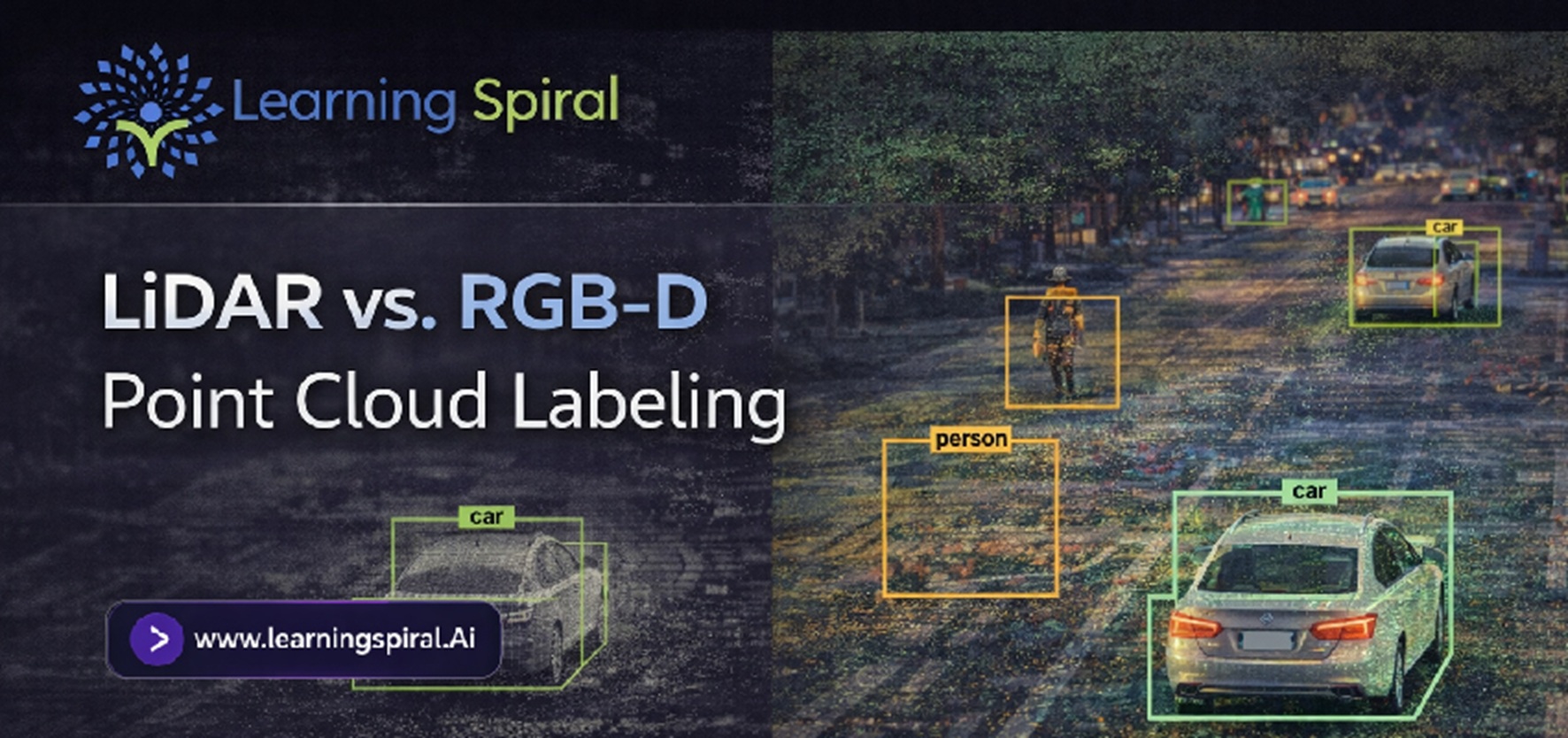
LiDAR and RGB-D sensors both give AI systems spatial information, but the data they generate - and the way that data must be labeled - can be very different. Explore how LiDAR vs. RGB-D point cloud labeling works, where each approach performs best, and what AI teams should consider...
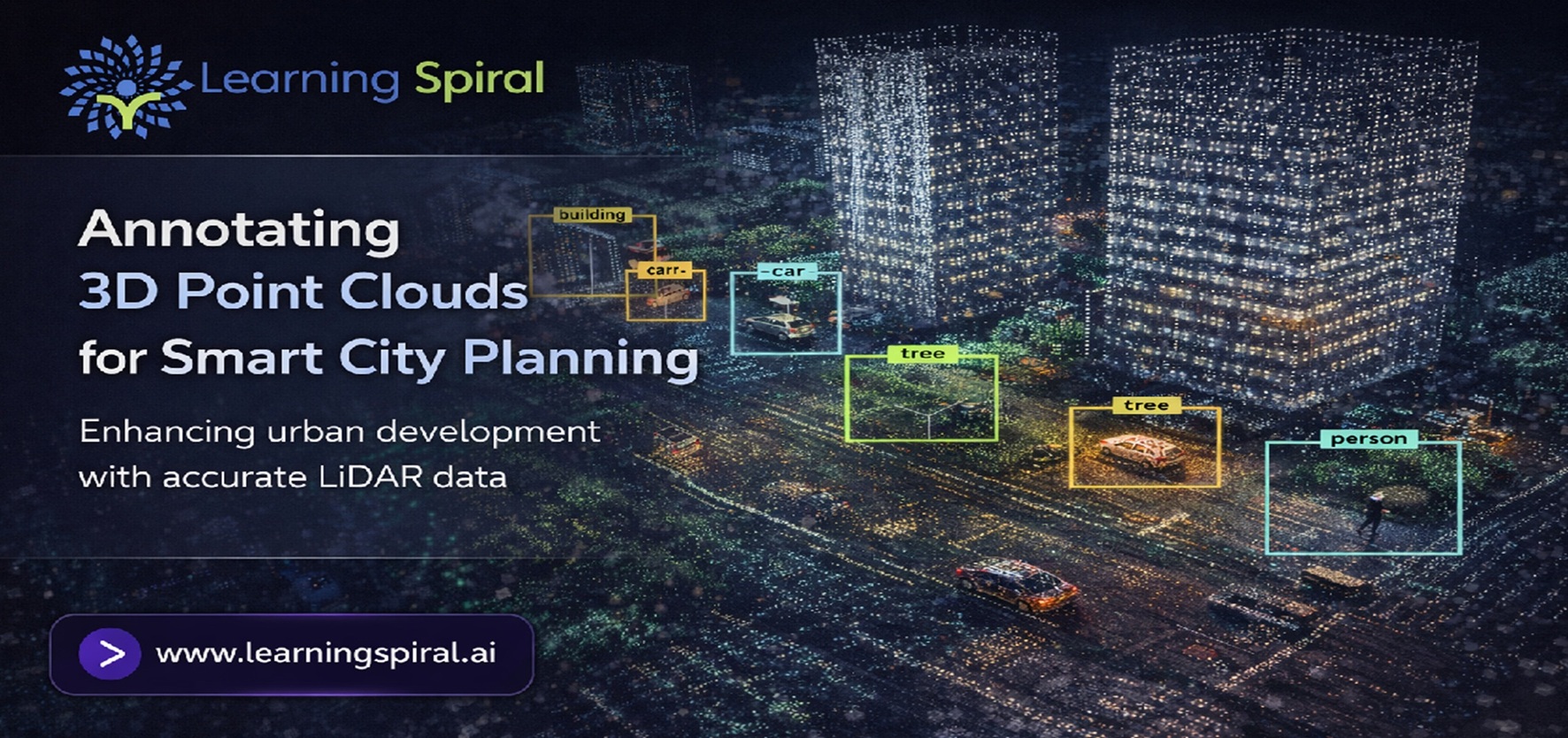
Modern cities generate enormous volumes of LiDAR and spatial data, but raw scans alone cannot guide intelligent planning. Discover how 3D point cloud annotation transforms complex urban environments into structured AI training data for smarter transportation, infrastructure, mapping, safety, and future-ready city development.
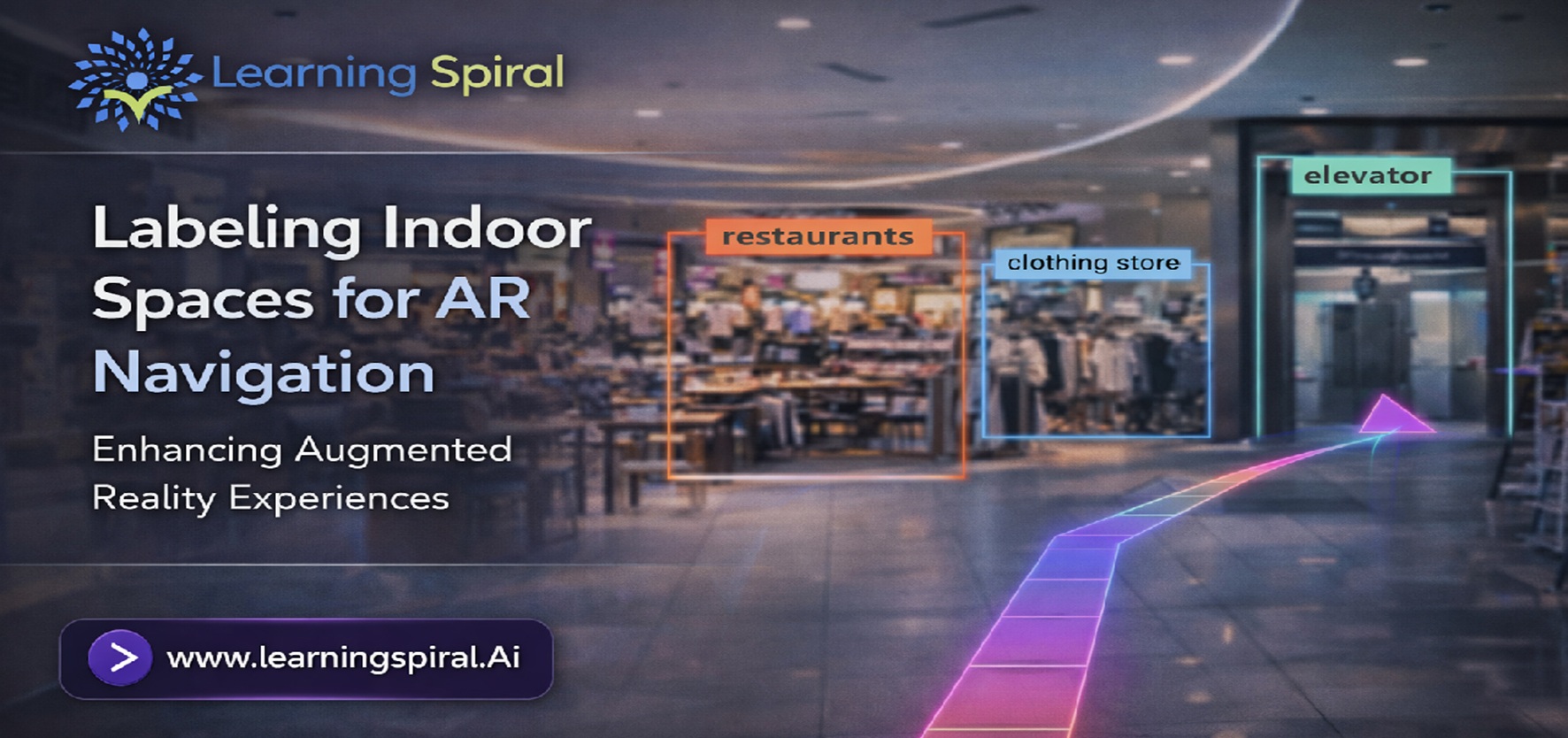
AR navigation needs more than a digital map. It requires accurately labeled visual and spatial data that helps AI understand doors, corridors, landmarks, obstacles and navigable paths. Explore how indoor space annotation turns raw images, videos and 3D scans into reliable training data for smarter AR navigation.
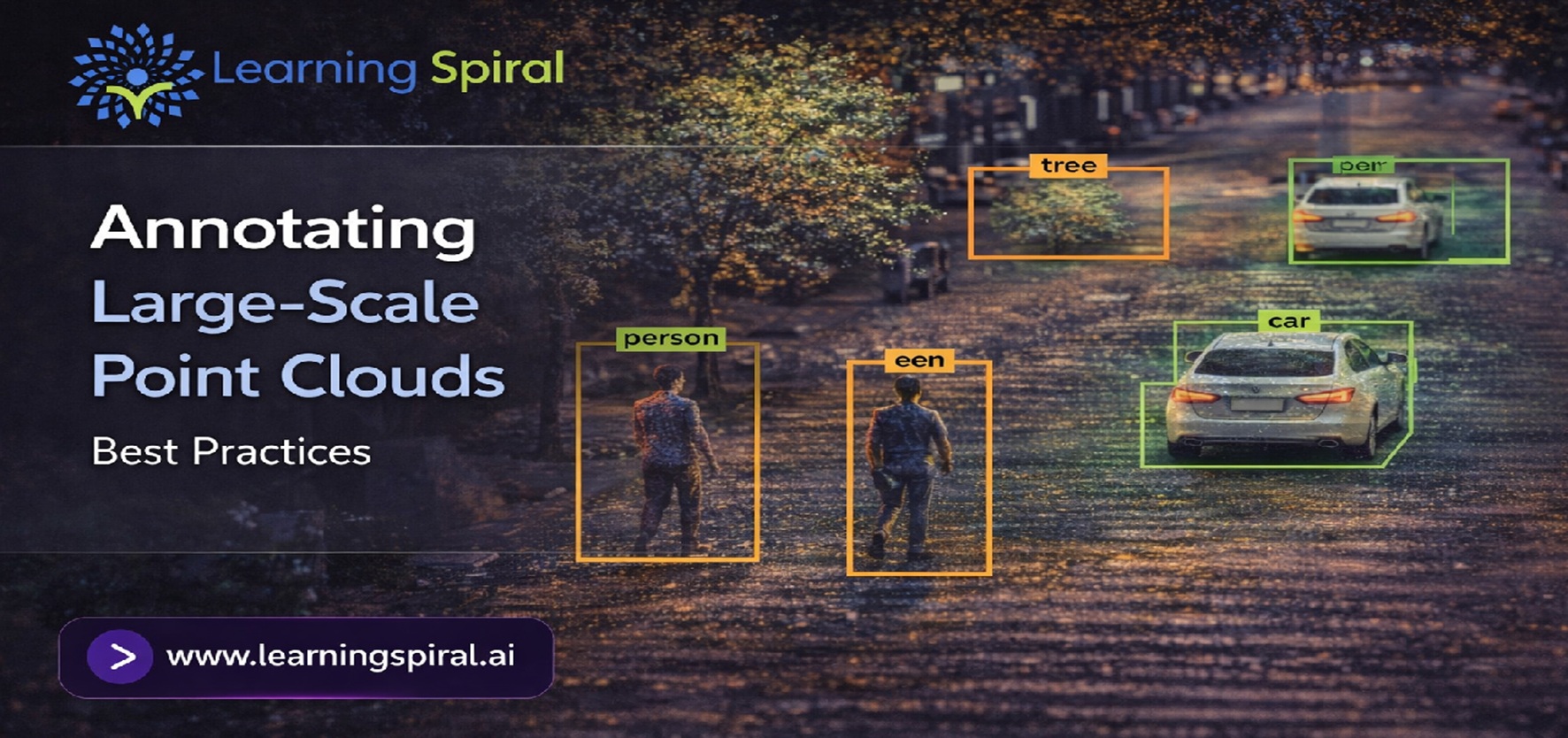
Large-scale LiDAR datasets can contain millions or even billions of spatial points. Learn how structured annotation workflows, clear taxonomies, 3D cuboids, segmentation, quality assurance and human-in-the-loop validation can transform complex point clouds into reliable AI training data.
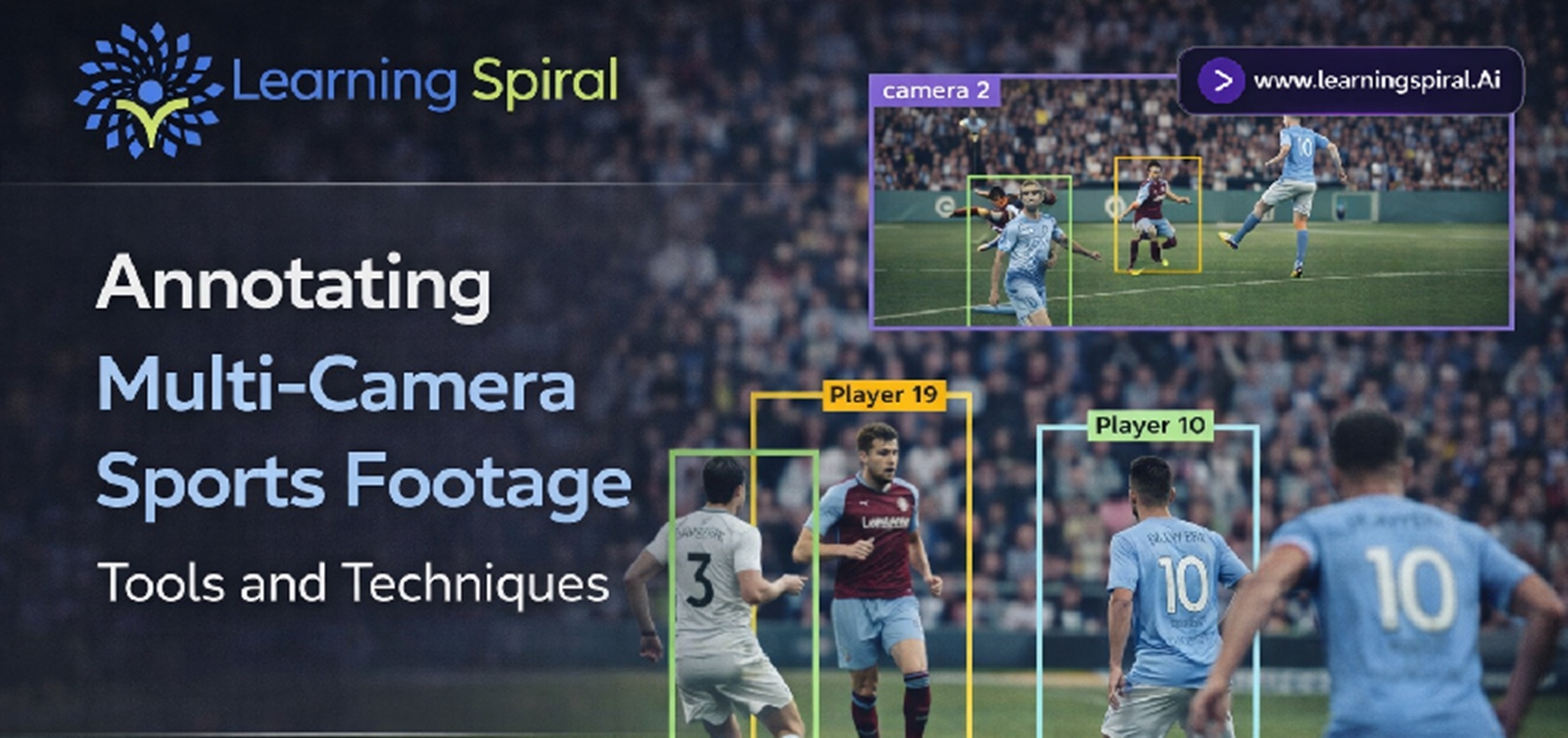
Multi-camera sports footage gives AI a richer view of the game—but also creates complex annotation challenges. Discover how synchronization, player tracking, bounding boxes, keypoints, event tagging and Human in the Loop workflows turn raw sports footage into reliable AI training data.
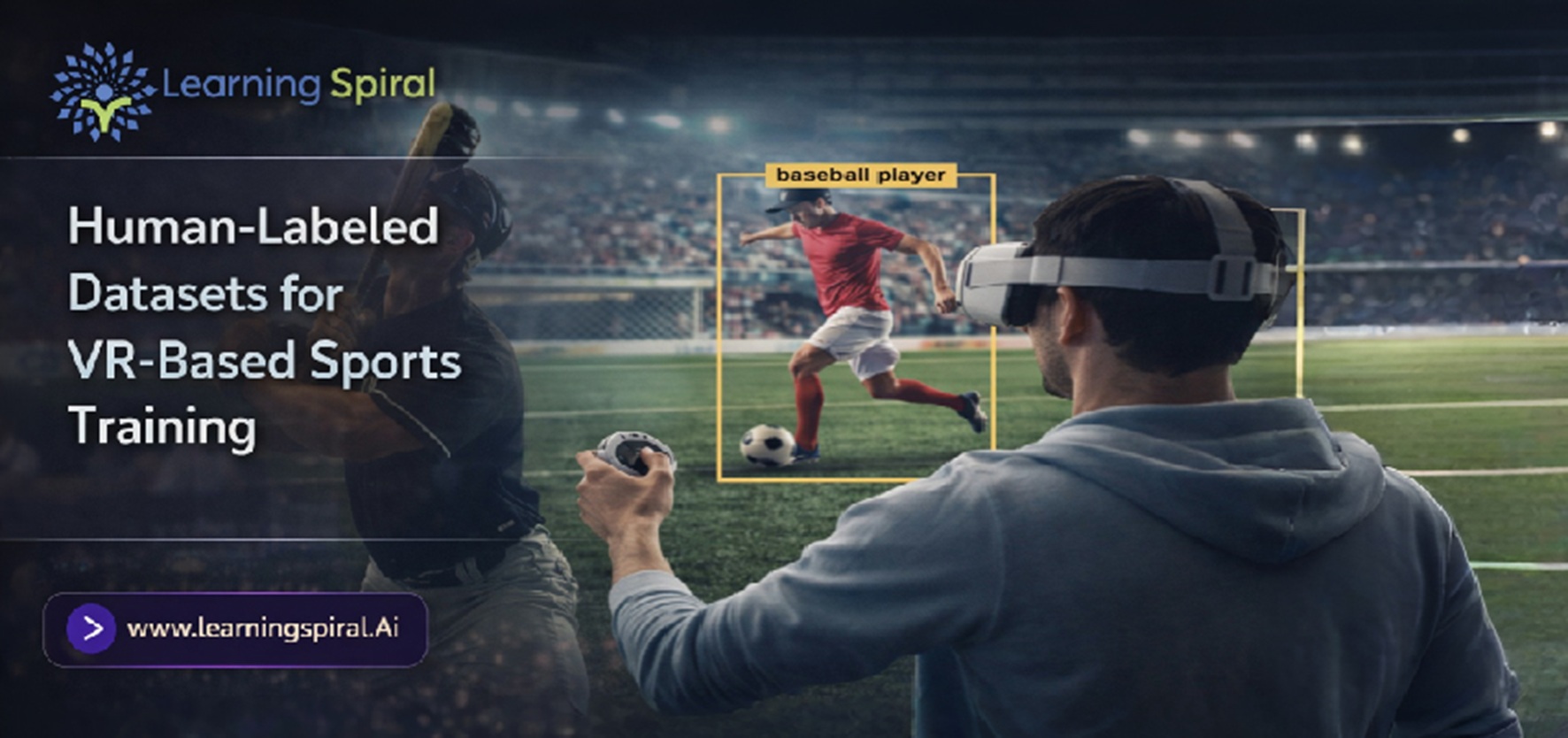
VR sports training becomes truly intelligent when AI can understand an athlete’s movement, posture, timing and interaction with the environment. Discover how human-labeled datasets transform raw sports footage and sensor data into reliable training intelligence for next-generation VR coaching systems.
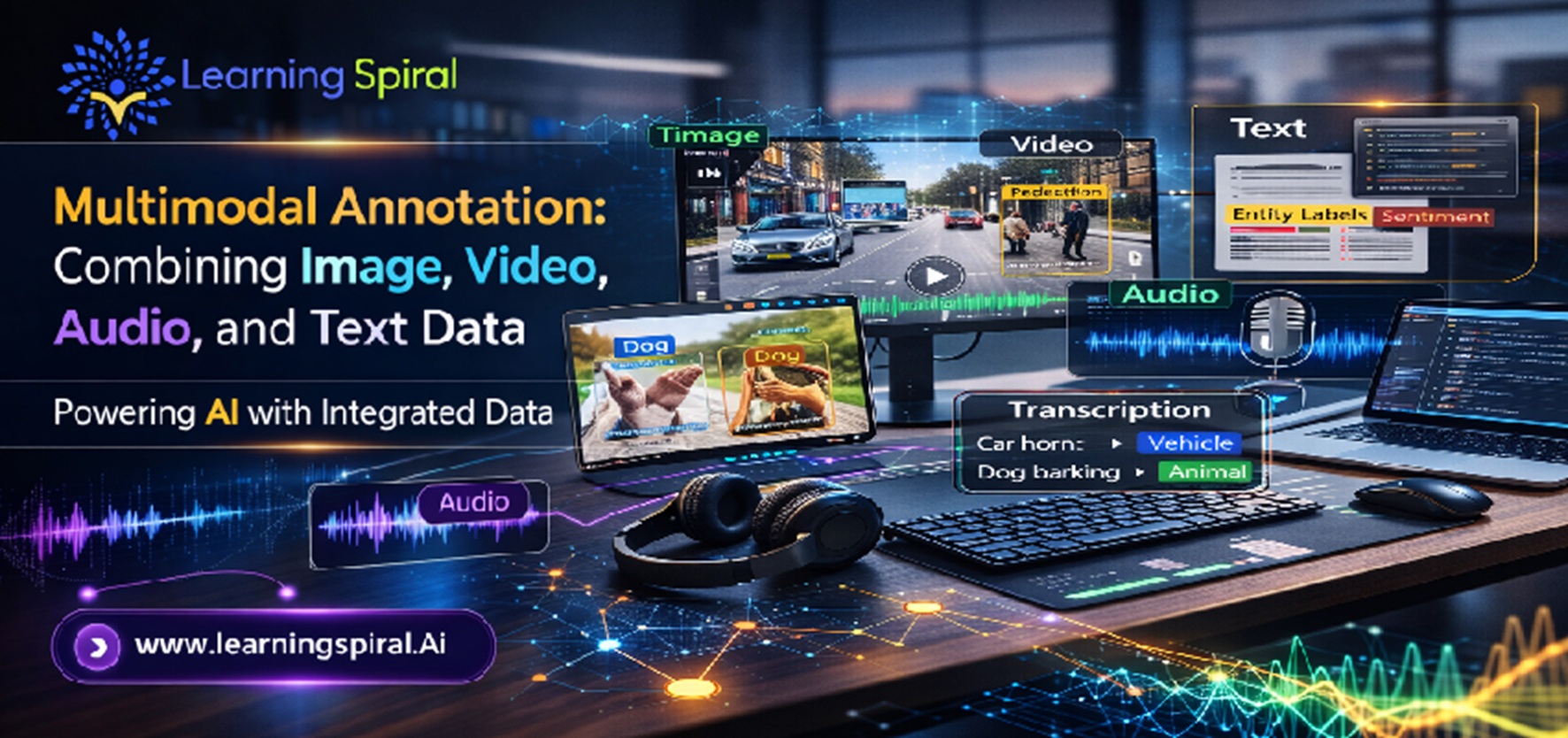
Multimodal data annotation connects images, video, audio, text, and other data types to help AI understand not only individual inputs but also the context and relationships between them.
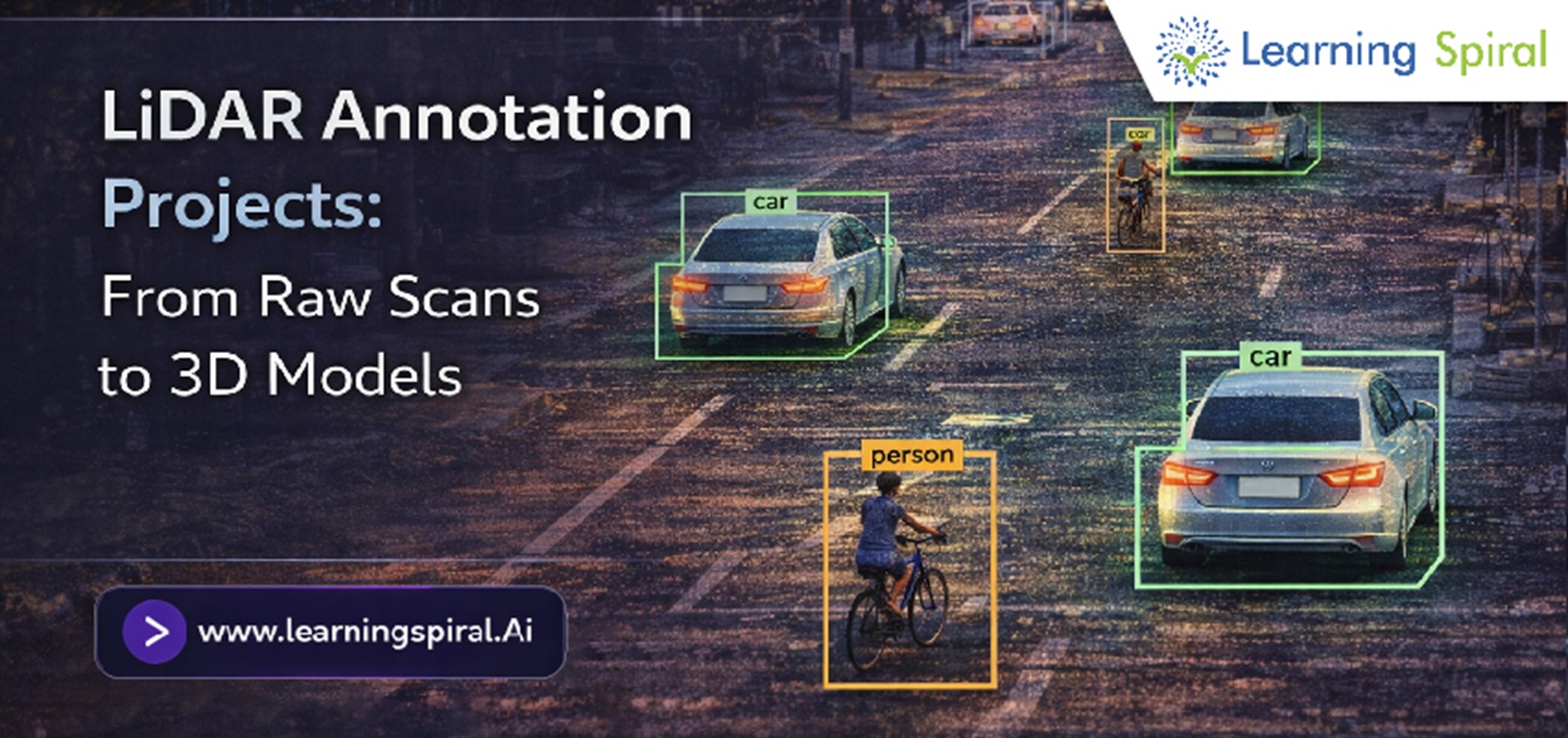
Discover how LiDAR annotation projects convert raw spatial scans into labeled 3D models that support autonomous vehicles, robotics, mapping and physical AI systems.
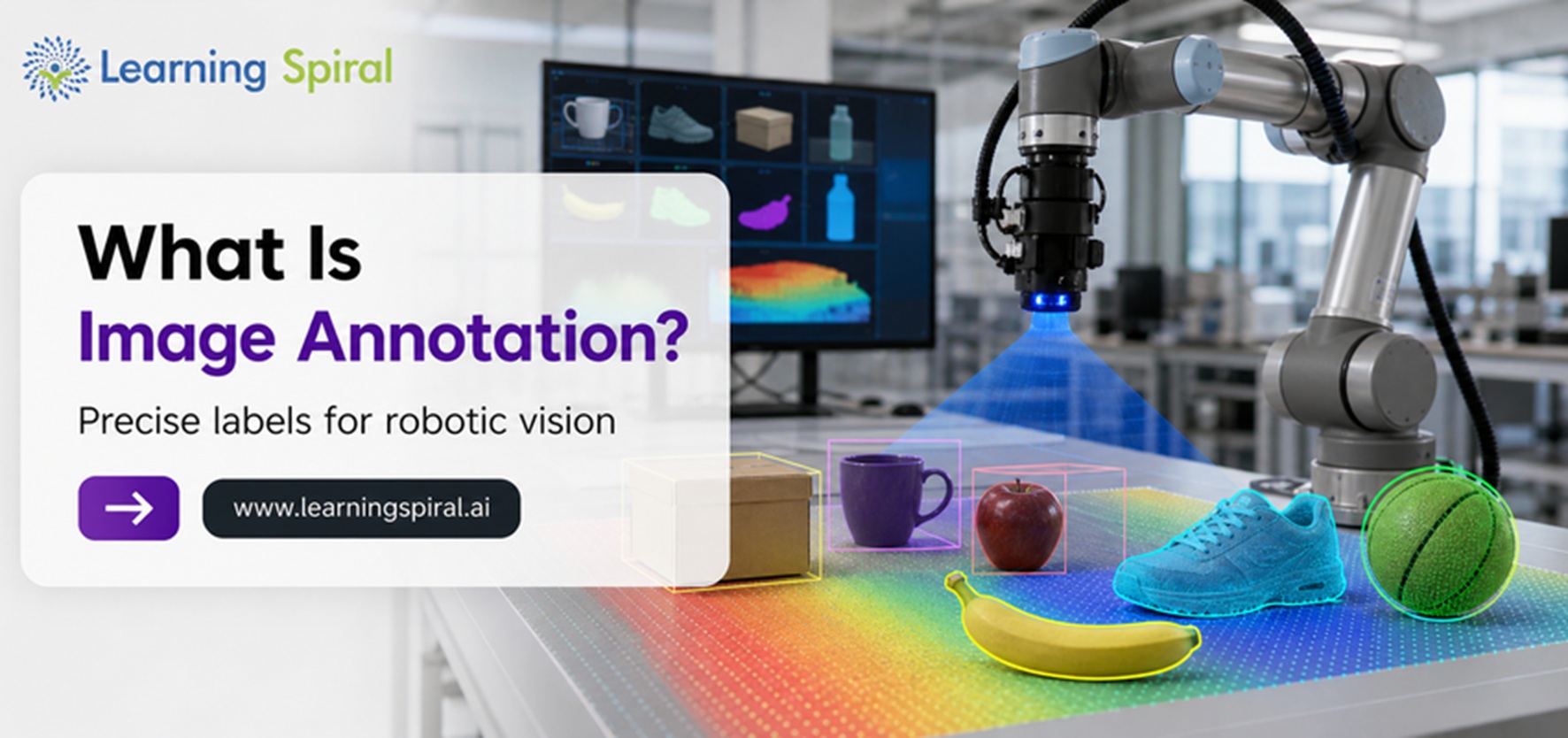
Image annotation for robotics transforms raw images and videos into structured training data. Discover its types, applications, challenges and role in developing reliable robotic vision systems.
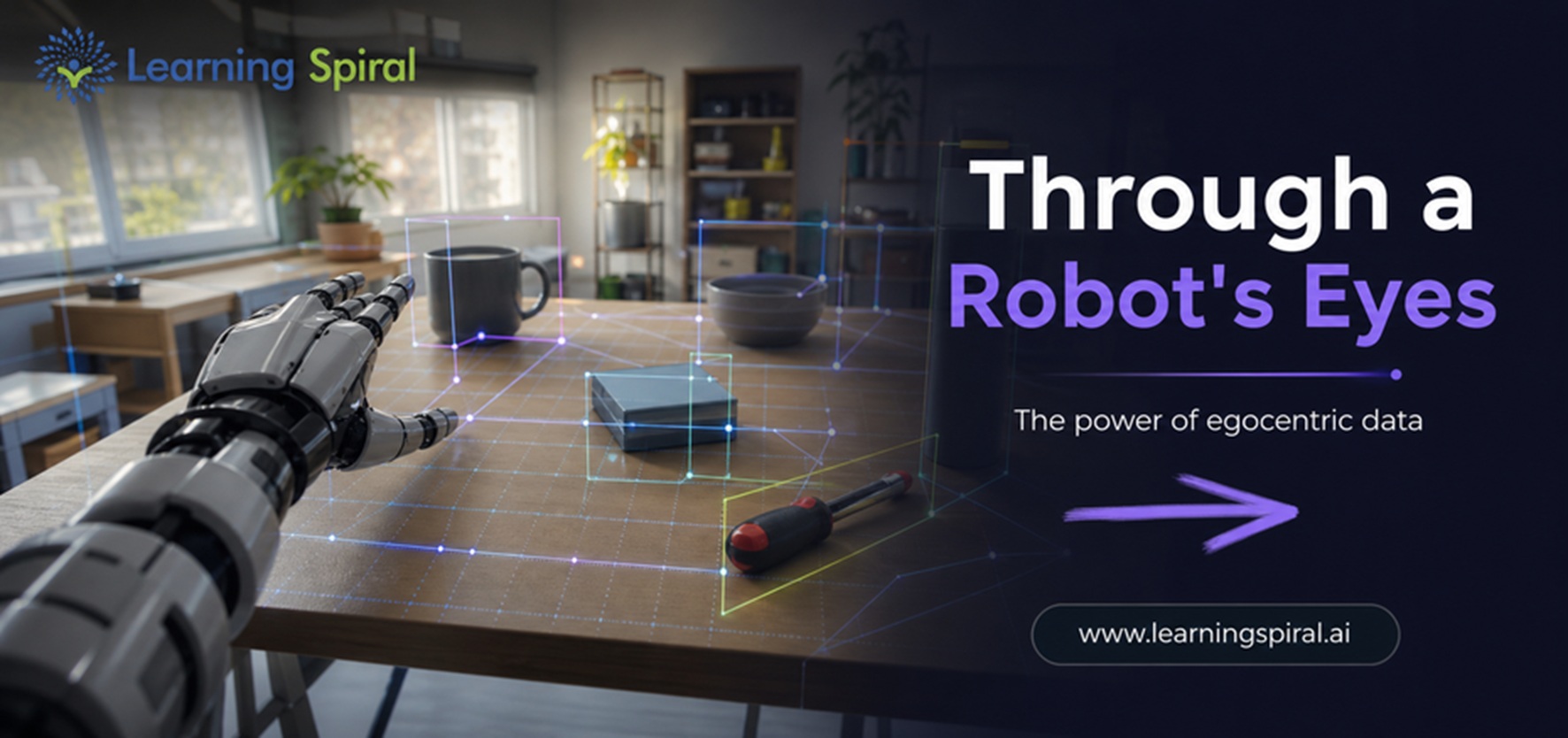
Robots trained on third-person footage often fail in the real world — they've never seen a task from a human's point of view. Egocentric data changes that. Here's why first-person visual data is becoming the backbone of next-generation robotics and embodied AI.