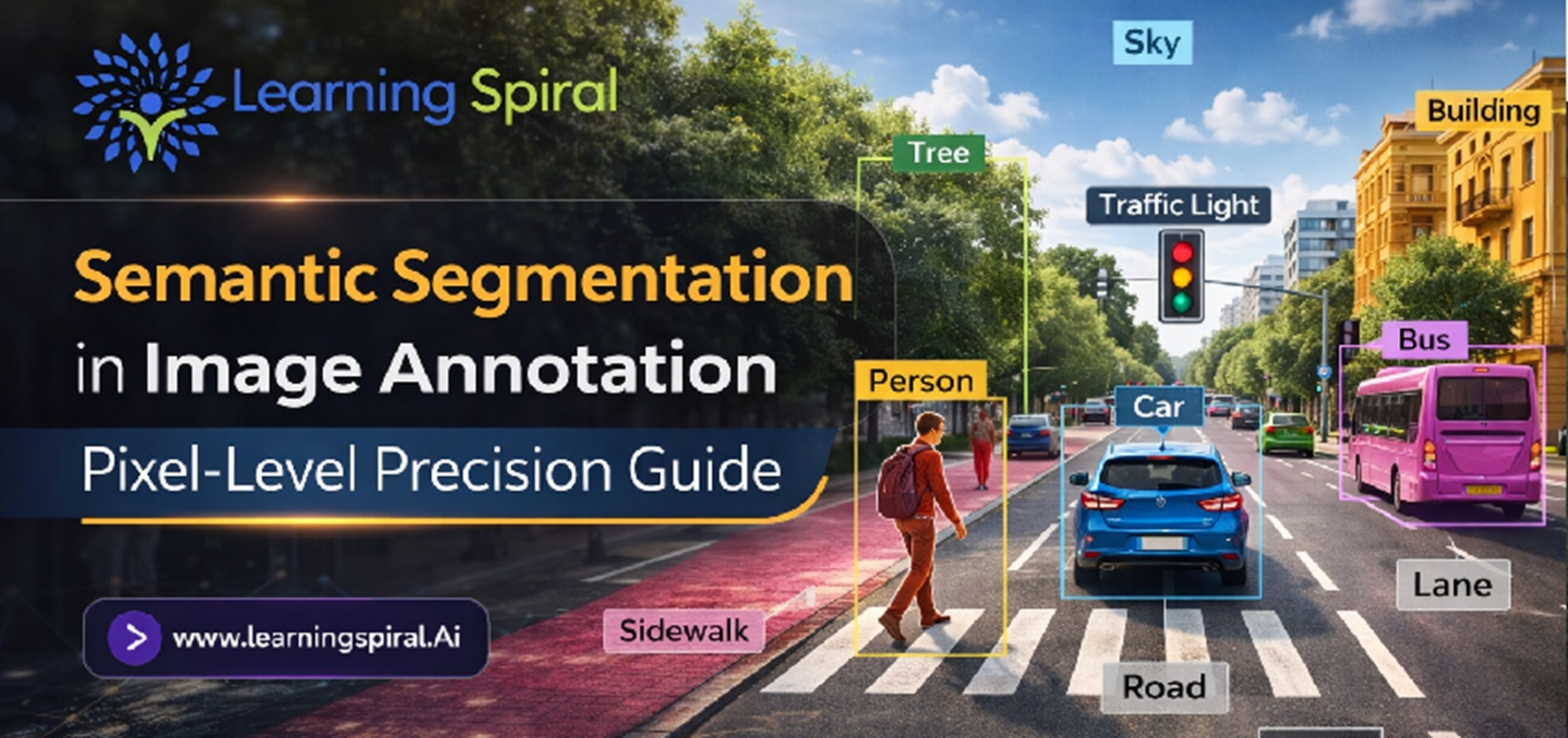
Computer vision models are only as good as the data behind them—and blurry bounding boxes rarely cut it anymore. Semantic segmentation offers pixel-level precision, but getting it right at scale is harder than it looks. Here's what actually matters.
Autonomous vehicles and robotic systems demand pixel-perfect spatial understanding. Yet most AI teams struggle to convert raw LiDAR sensor output into clean, annotated 3D datasets. Accurate point cloud annotation bridges that gap — transforming millions of data points into actionable machine intelligence. Here's how it works, and why it...
In the world of computer vision and machine learning datasets, the quality of your training data determines the ceiling of your model’s intelligence. And at the heart of most object detection pipelines lies one foundational technique: bounding box annotation. What Is Bounding Box Annotation? Bounding box annotation is the...
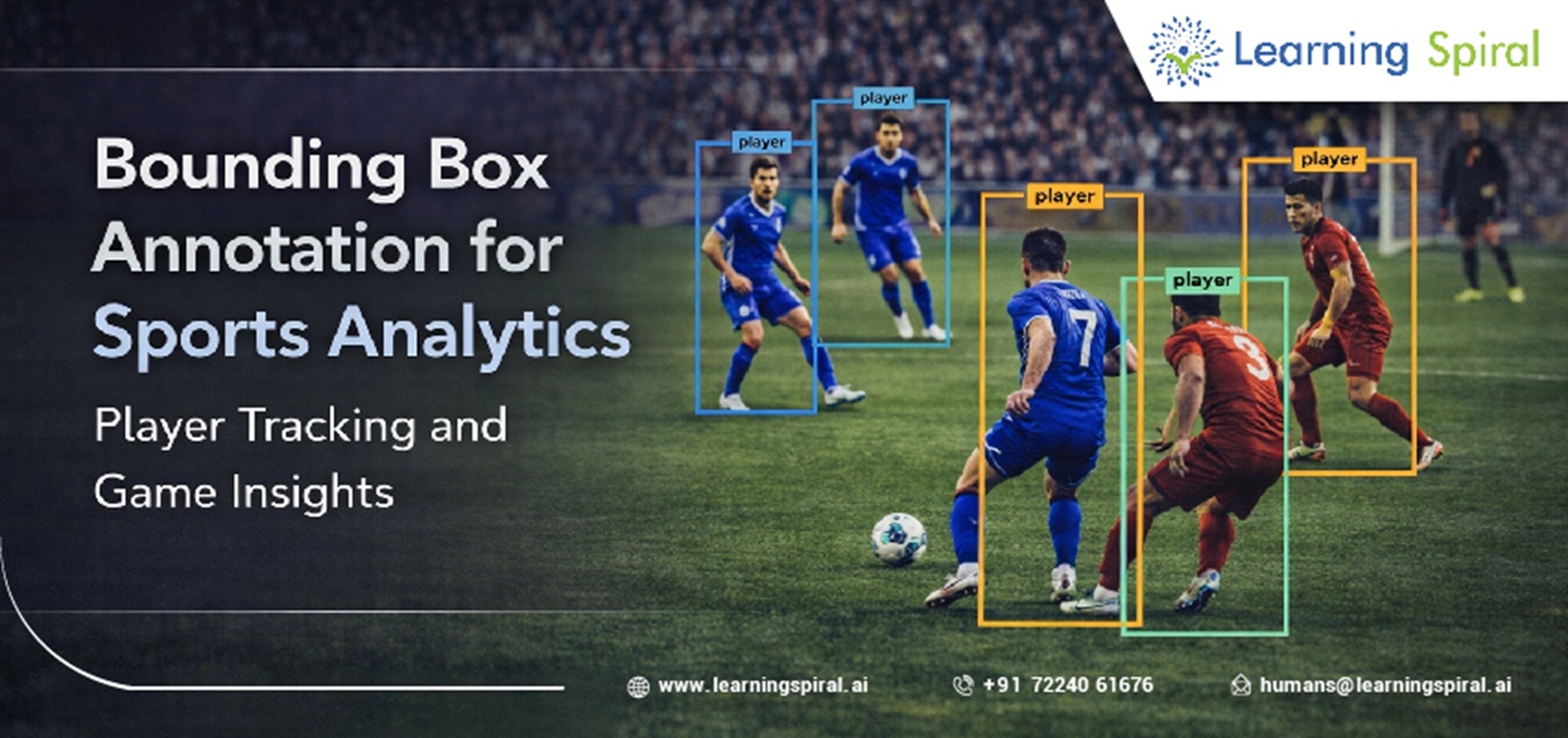
Modern sports teams generate massive amounts of video data, but extracting actionable insights remains a challenge. Bounding box annotation helps transform raw footage into structured training data, enabling accurate player tracking, performance analysis, and smarter game strategies powered by AI.
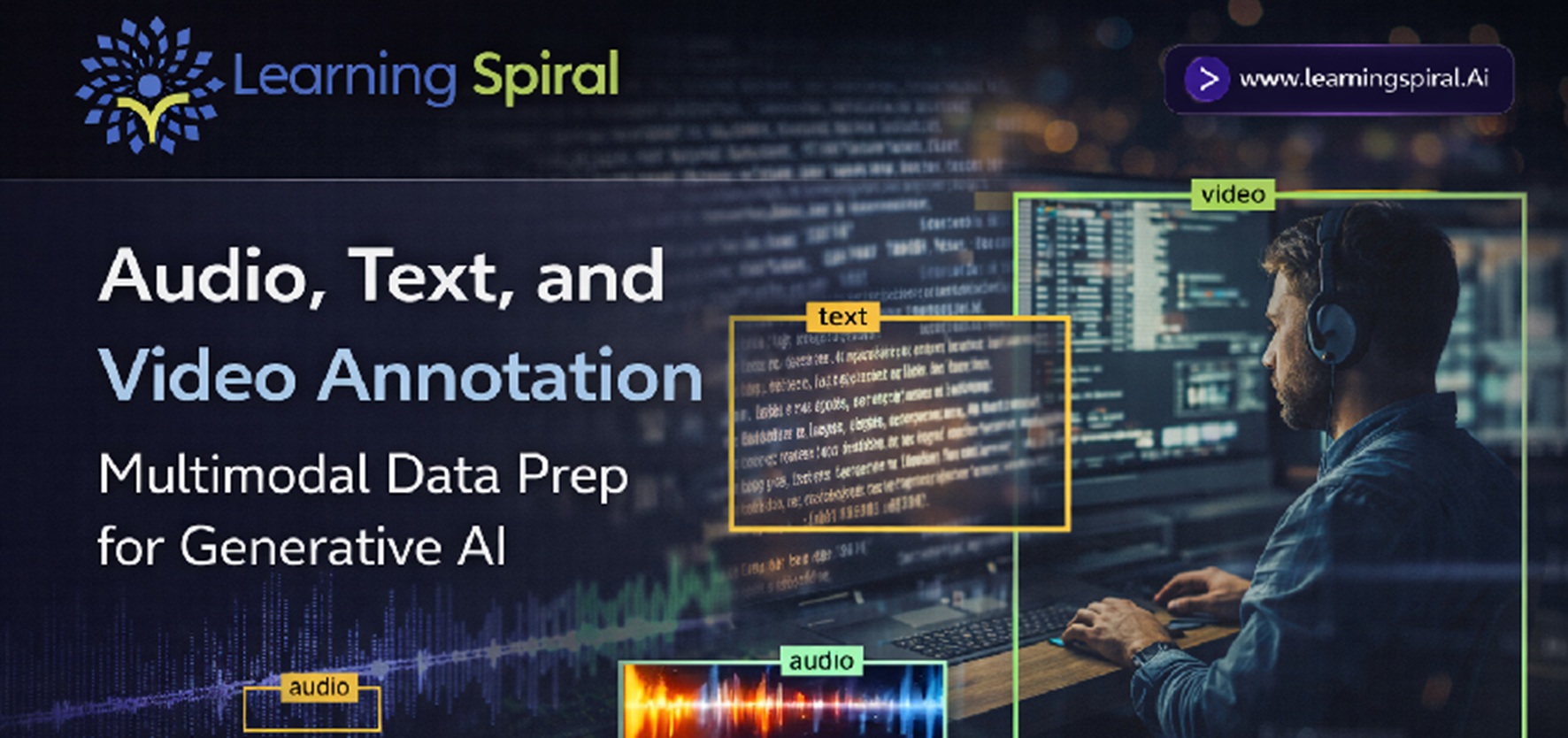
Generative AI systems need more than large datasets—they need accurately labeled, context-rich multimodal data. As AI models process audio, text, video, and images together, high-quality annotation becomes essential for improving accuracy, reducing bias, and building systems that perform reliably in real-world conditions.
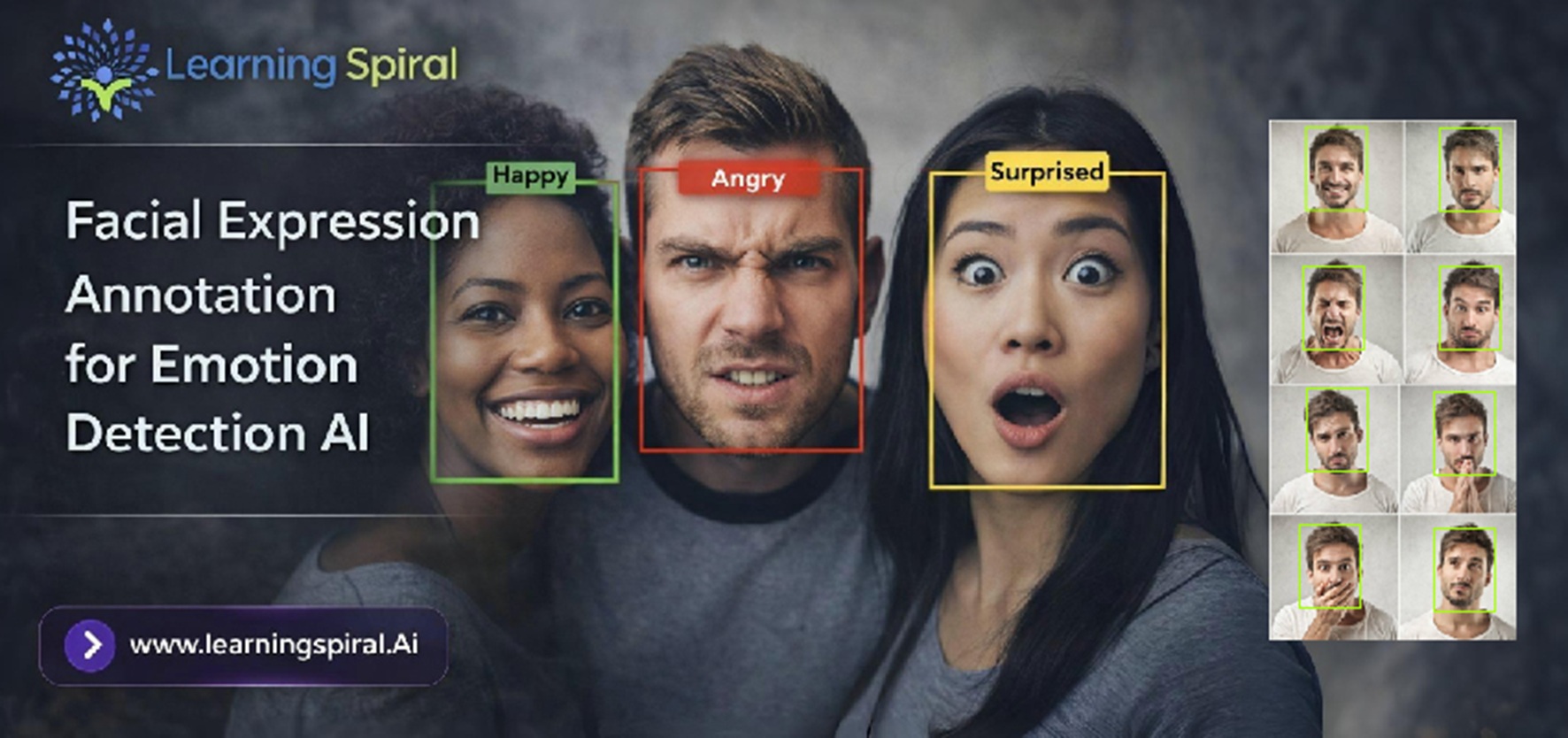
Why Emotion Detection AI Needs Better Visual Data Human emotions are complex. A smile may show happiness, nervousness, politeness, or even discomfort depending on context. For AI systems, understanding these differences requires more than raw images—it requires accurate facial expression annotation supported by high-quality data labeling. In Computer Vision...
Voice assistants often struggle with understanding context, leading to inaccurate responses and poor user experience. Context labeling plays a crucial role in improving AI interactions by making conversations more meaningful, adaptive, and human-like across real-world applications.
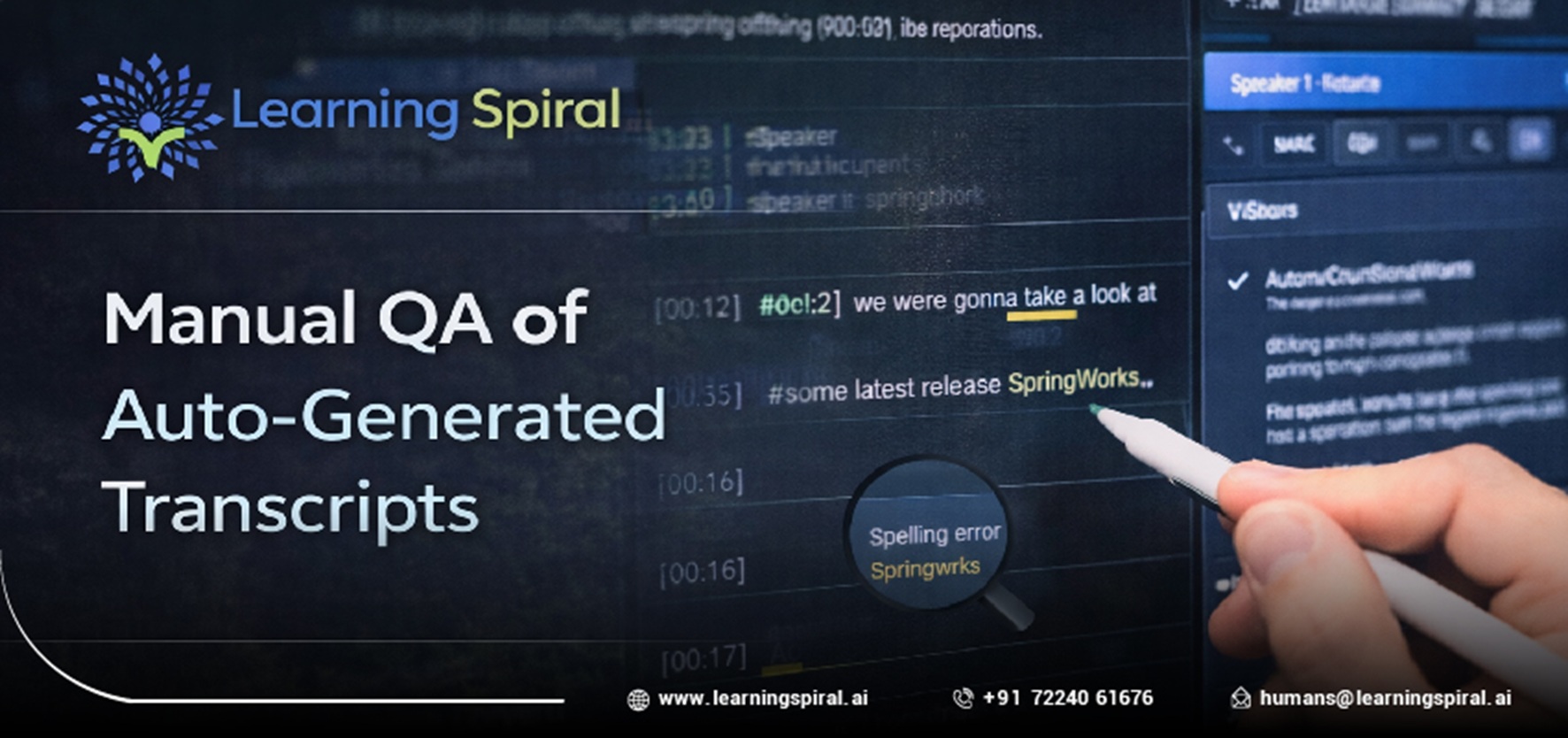
Auto-generated transcripts often contain errors that impact AI performance. Manual QA plays a critical role in refining text data and ensuring reliability. Addressing this gap is essential for building accurate NLP models and scalable AI applications.
Legal documents are complex, unstructured, and difficult for AI models to interpret accurately. Without proper annotation, NLP systems fail to extract meaningful insights. Structured legal data annotation is becoming essential for building reliable AI-driven legal intelligence systems.
Creating lifelike virtual avatars is one of the biggest challenges in AI today. Without high-quality annotated datasets, avatars lack realism and responsiveness. Human annotation bridges this gap, enabling accurate training data that powers next-generation digital experiences.
We use cookies on our website to give you the most relevant experience by remembering your preferences and repeat visits. By clicking “Accept All”, you consent to the use of ALL the cookies. However, you may visit "Cookie Settings" to provide a controlled consent.
This website uses cookies to improve your experience while you navigate through the website. Out of these, the cookies that are categorized as necessary are stored on your browser as they are essential for the working of basic functionalities of the website. We also use third-party cookies that help us analyze and understand how you use this website. These cookies will be stored in your browser only with your consent. You also have the option to opt-out of these cookies. But opting out of some of these cookies may affect your browsing experience.
Necessary cookies are absolutely essential for the website to function properly. These cookies ensure basic functionalities and security features of the website, anonymously.
Cookie
Duration
Description
cookielawinfo-checkbox-analytics
11 months
This cookie is set by GDPR Cookie Consent plugin. The cookie is used to store the user consent for the cookies in the category "Analytics".
cookielawinfo-checkbox-functional
11 months
The cookie is set by GDPR cookie consent to record the user consent for the cookies in the category "Functional".
cookielawinfo-checkbox-necessary
11 months
This cookie is set by GDPR Cookie Consent plugin. The cookies is used to store the user consent for the cookies in the category "Necessary".
cookielawinfo-checkbox-others
11 months
This cookie is set by GDPR Cookie Consent plugin. The cookie is used to store the user consent for the cookies in the category "Other.
cookielawinfo-checkbox-performance
11 months
This cookie is set by GDPR Cookie Consent plugin. The cookie is used to store the user consent for the cookies in the category "Performance".
viewed_cookie_policy
11 months
The cookie is set by the GDPR Cookie Consent plugin and is used to store whether or not user has consented to the use of cookies. It does not store any personal data.
Functional cookies help to perform certain functionalities like sharing the content of the website on social media platforms, collect feedbacks, and other third-party features.
Performance cookies are used to understand and analyze the key performance indexes of the website which helps in delivering a better user experience for the visitors.
Analytical cookies are used to understand how visitors interact with the website. These cookies help provide information on metrics the number of visitors, bounce rate, traffic source, etc.
Advertisement cookies are used to provide visitors with relevant ads and marketing campaigns. These cookies track visitors across websites and collect information to provide customized ads.