

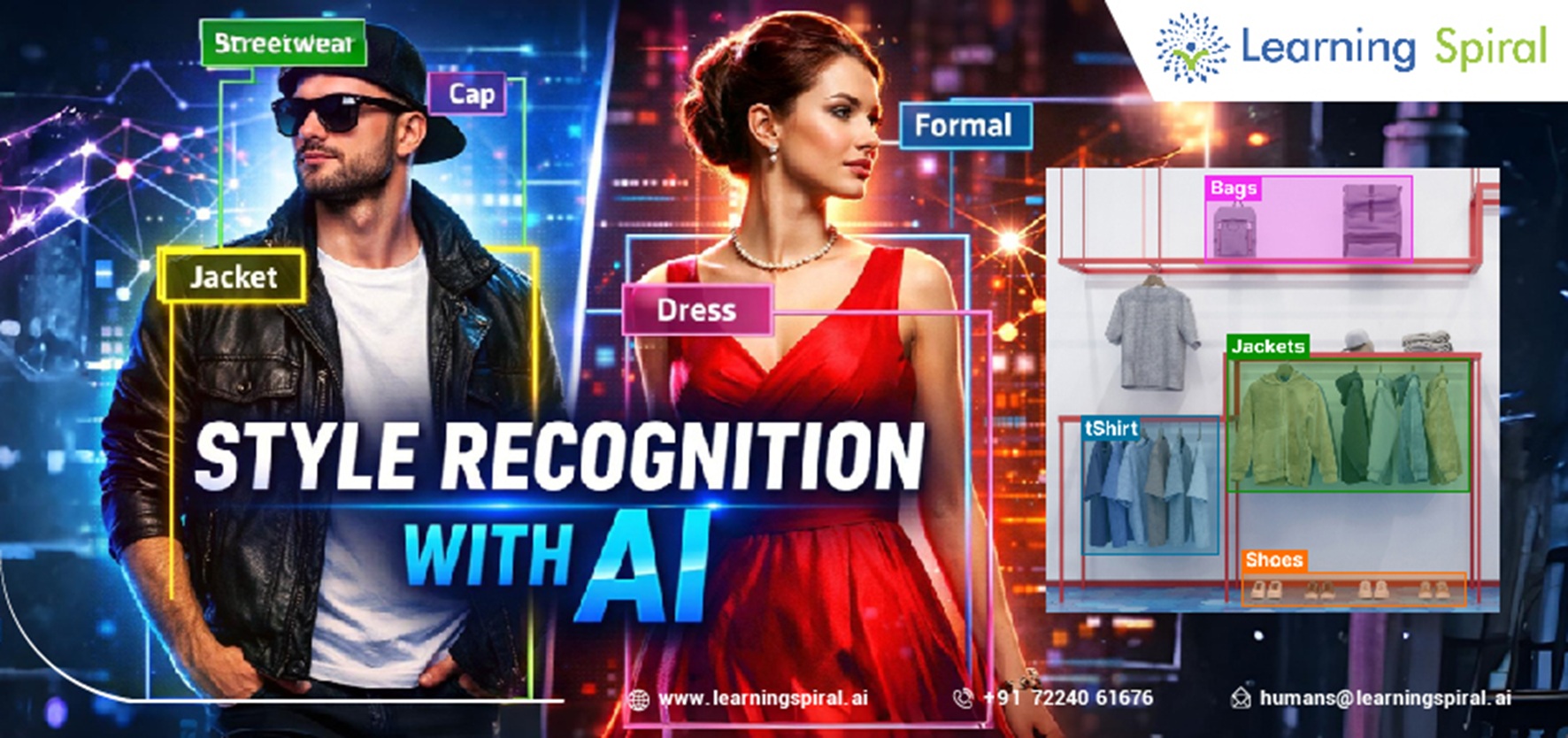
Clothing style recognition has become a vital application of computer vision and machine learning. From fashion recommendation systems to retail analytics and academic research, AI models are now expected to understand apparel categories with high precision.
However, the performance of these models depends heavily on the quality of AI training data. This is where category annotations become essential. By clearly labeling clothing images and videos with predefined style categories, AI systems learn to distinguish patterns, textures, and design elements more effectively.
What Are Category Annotations?
Category annotations are a form of data annotation where images or videos are tagged with predefined labels representing classes or categories. In clothing style recognition, these categories may include:
- Casual wear
- Formal wear
- Sportswear
- Ethnic or traditional clothing
- Streetwear
- Seasonal collections
Each image or video frame is assigned one or more category labels, helping AI models understand visual differences across styles.
Role of Category Annotations in Clothing Style Recognition
Category annotations act as the foundation for supervised machine learning models. They help algorithms learn associations between visual features and clothing styles.
Key contributions include:
- Improved AI model accuracy through structured learning
- Faster convergence during model training
- Reduced bias caused by inconsistent labelingBetter generalization across diverse datasets
Without well-defined categories, AI systems struggle to differentiate between similar clothing styles, leading to poor predictions.
How Category Annotations Work in Practice
1. Dataset Collection
High-quality images and videos of apparel are collected from multiple sources to ensure diversity in lighting, pose, and background.
2. Category Definition
Clear and consistent category definitions are created. This step is crucial to avoid overlap between styles such as “casual” and “streetwear.”
3. Annotation Process
Using professional data labeling services, each image or video is annotated with the appropriate clothing category. In some cases, multi-label annotations are applied.
4. Quality Validation
Annotated data undergoes multiple quality checks to ensure accuracy and consistency before being used as machine learning training data.
Benefits of Category Annotations for AI Models
Using category annotations in clothing style recognition delivers several advantages:
- Higher classification accuracy across multiple clothing types
- Enhanced model scalability for large datasets
- Better performance in real-world scenarios
- Reduced retraining costs due to cleaner data
For universities and research institutes, this means more reliable experimental results. For AI-driven companies, it translates into stronger commercial applications.
Applications Across Industries
Academic & Research Institutions
- Fashion technology research
- Human-computer interaction studies
- Computer vision benchmarking
Retail & E-commerce
- Visual product search
- Personalized fashion recommendations
- Inventory and trend analysis
AI & Machine Learning Companies
- Training robust computer vision models
- Improving recommendation engines
- Developing virtual try-on systems
Each of these applications relies on precise image and video annotation to function effectively.
Challenges in Clothing Style Category Annotation
Despite its benefits, category annotation comes with challenges:
- Style overlap between categories
- Subjective interpretation of fashion trends
- Maintaining consistency across large teams
- Scaling annotation without compromising quality
Addressing these challenges requires domain expertise, standardized guidelines, and experienced annotation teams.
Best Practices for High-Quality Category Annotations
To maximize results, organizations should follow these best practices:
- Define categories clearly before annotation begins
- Use experienced annotators trained in fashion datasets
- Apply multi-level quality assurance
- Continuously refine labels based on model feedback
Partnering with a specialized data labeling services provider can significantly reduce operational complexity.
Why Quality Annotation Impacts AI Model Accuracy
AI models are only as good as the data they are trained on. Poorly annotated categories can lead to:
- Misclassification of clothing styles
- Model bias toward dominant categories
- Lower confidence scores in predictions
High-quality category annotations ensure clean, reliable AI training data, directly improving model outcomes.
How Learning Spiral AI Supports Clothing Style Recognition
Learning Spiral AI provides scalable and accurate AI training data solutions, including category-based image annotation and video annotation for clothing and fashion datasets. With a focus on quality, consistency, and domain expertise, our annotation workflows are designed to support both research and enterprise-grade AI projects.
Whether you are building a prototype or scaling a production model, our teams help ensure your datasets meet the highest standards.
Category annotations are a cornerstone of effective clothing style recognition systems. By enabling AI models to learn visual distinctions accurately, they drive better performance, scalability, and real-world impact.
If your organization is working on fashion-related AI, computer vision research, or apparel analytics, investing in high-quality annotation is essential.
👉 Explore more about our data annotation capabilities or connect with Learning Spiral AI to discuss your AI training data requirements.