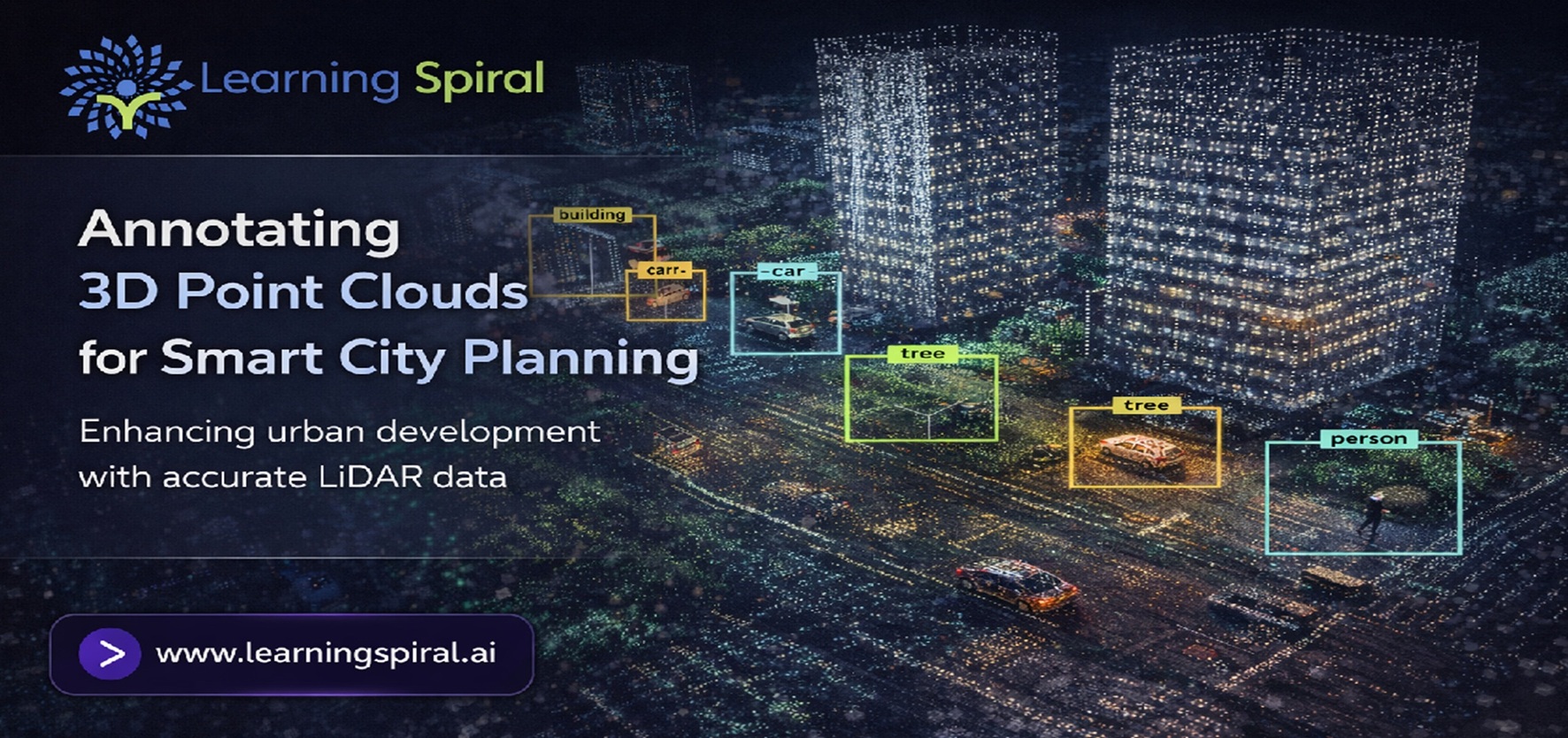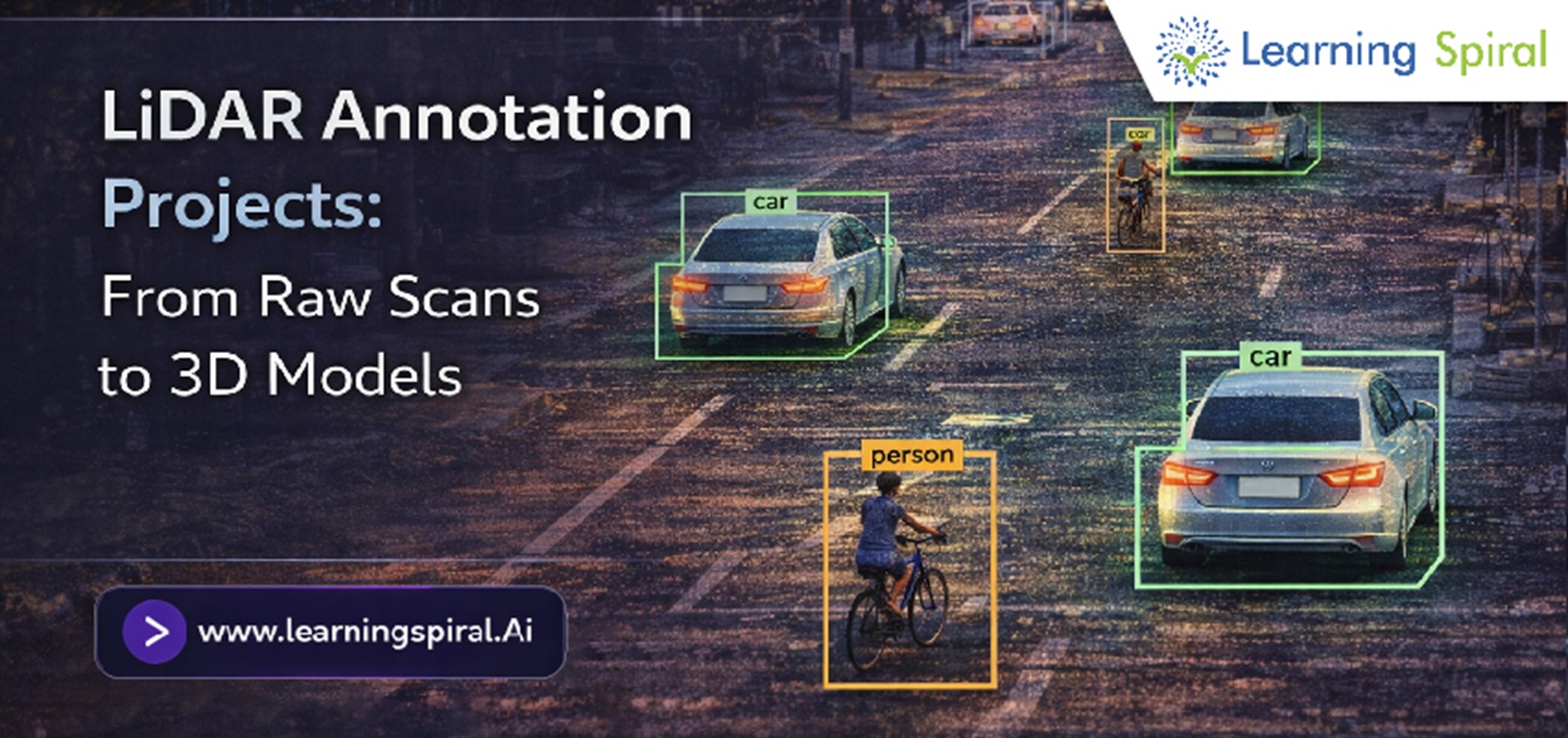

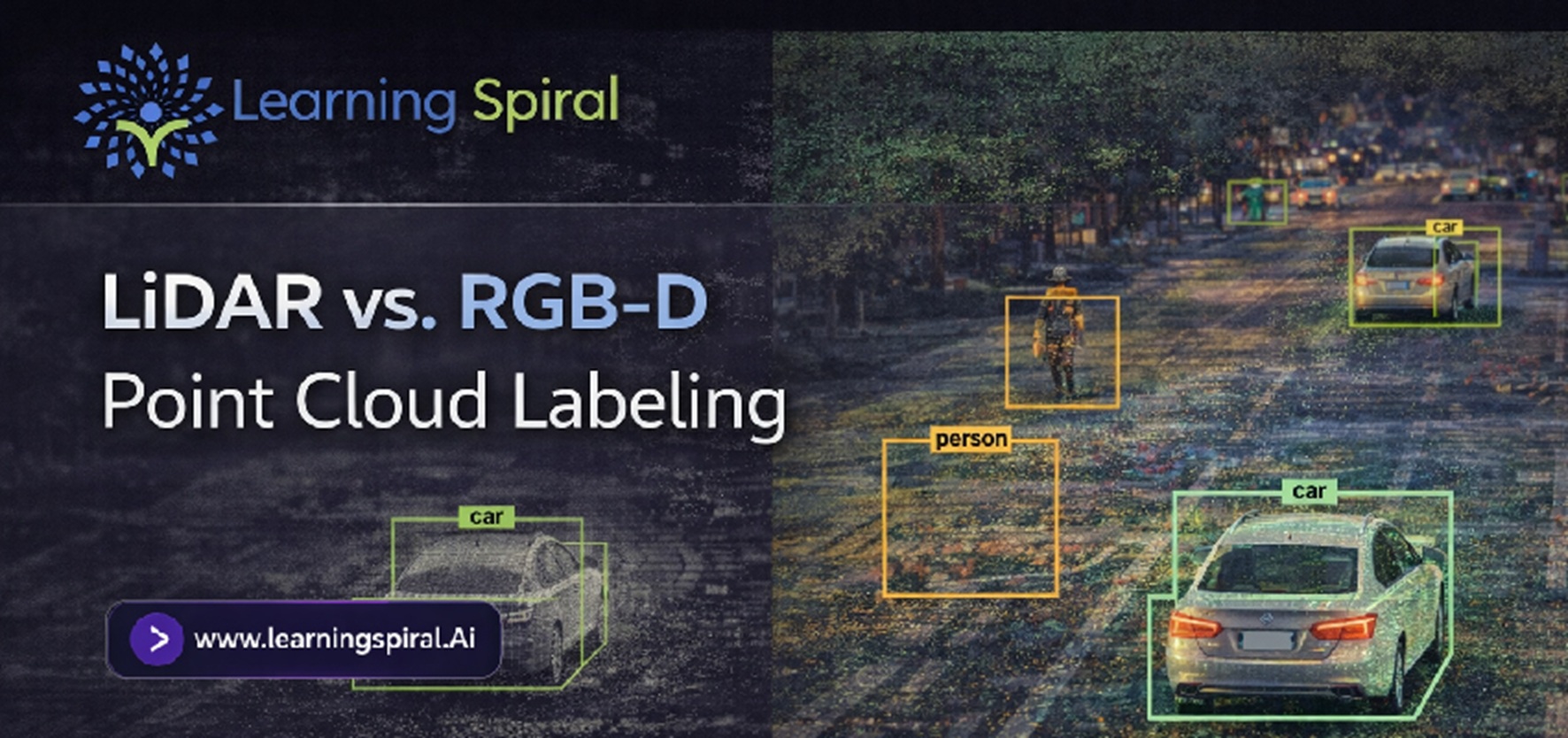
Discover how LiDAR annotation projects convert raw spatial scans into labeled 3D models that support autonomous vehicles, robotics, mapping and physical AI systems.
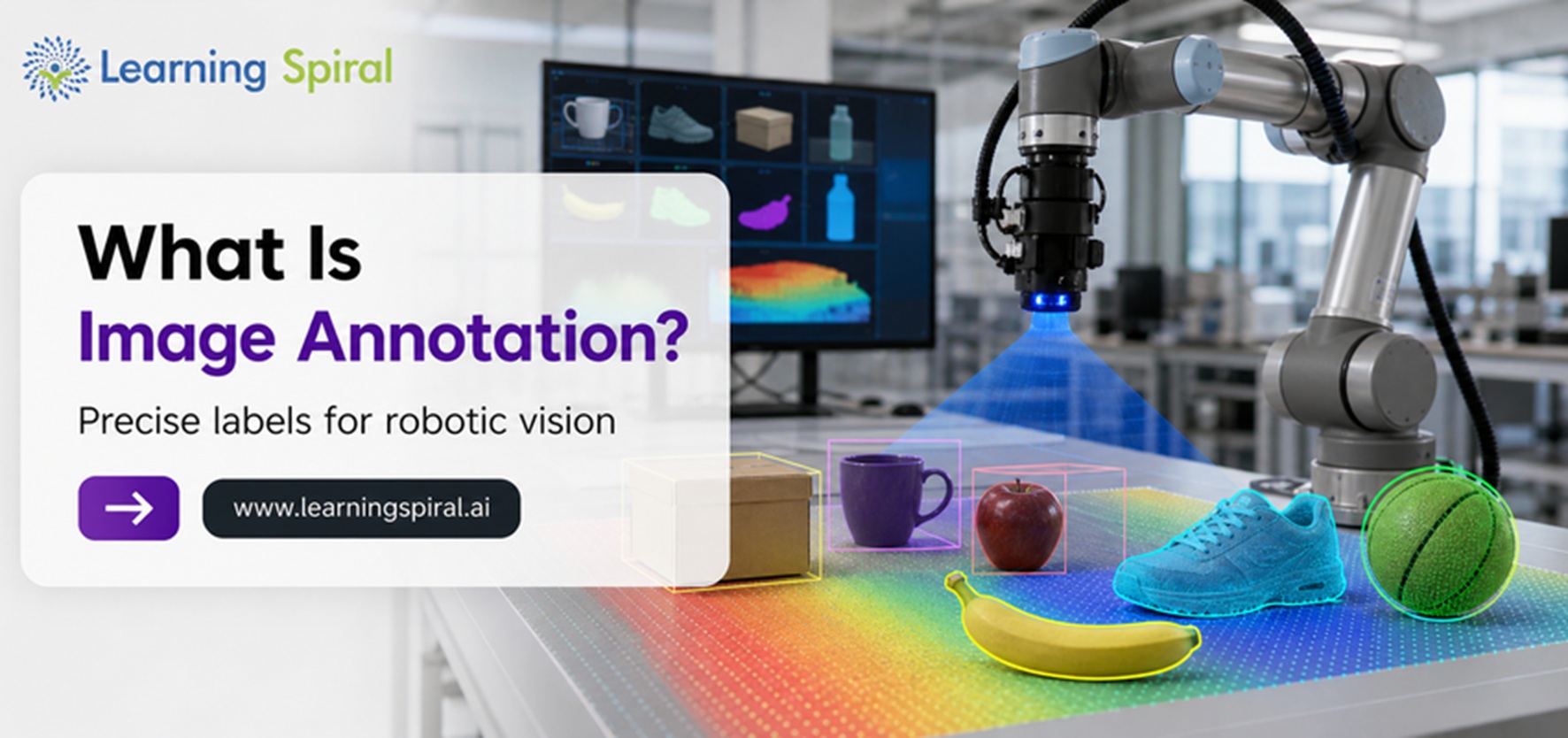
Image annotation for robotics transforms raw images and videos into structured training data. Discover its types, applications, challenges and role in developing reliable robotic vision systems.
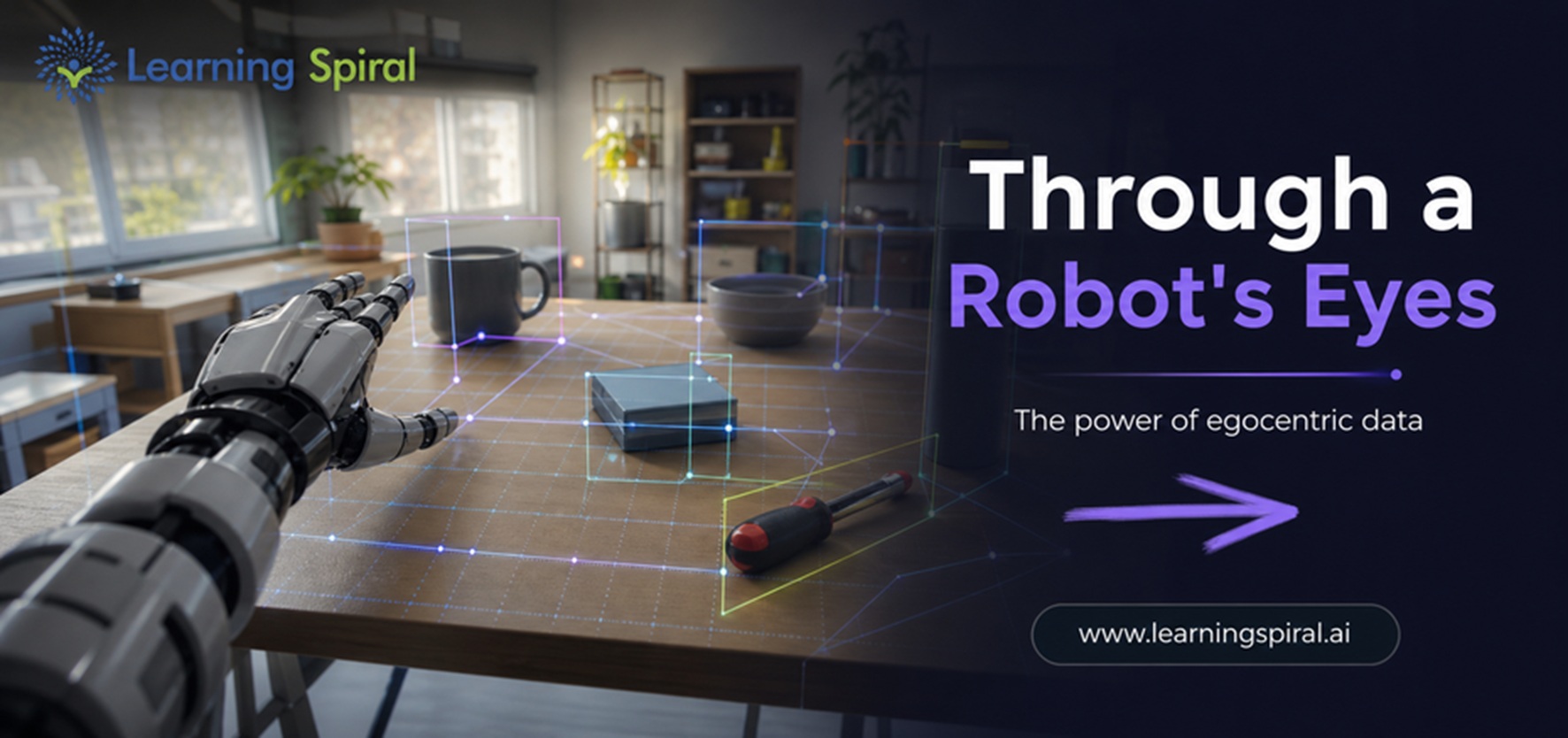
Robots trained on third-person footage often fail in the real world — they've never seen a task from a human's point of view. Egocentric data changes that. Here's why first-person visual data is becoming the backbone of next-generation robotics and embodied AI.
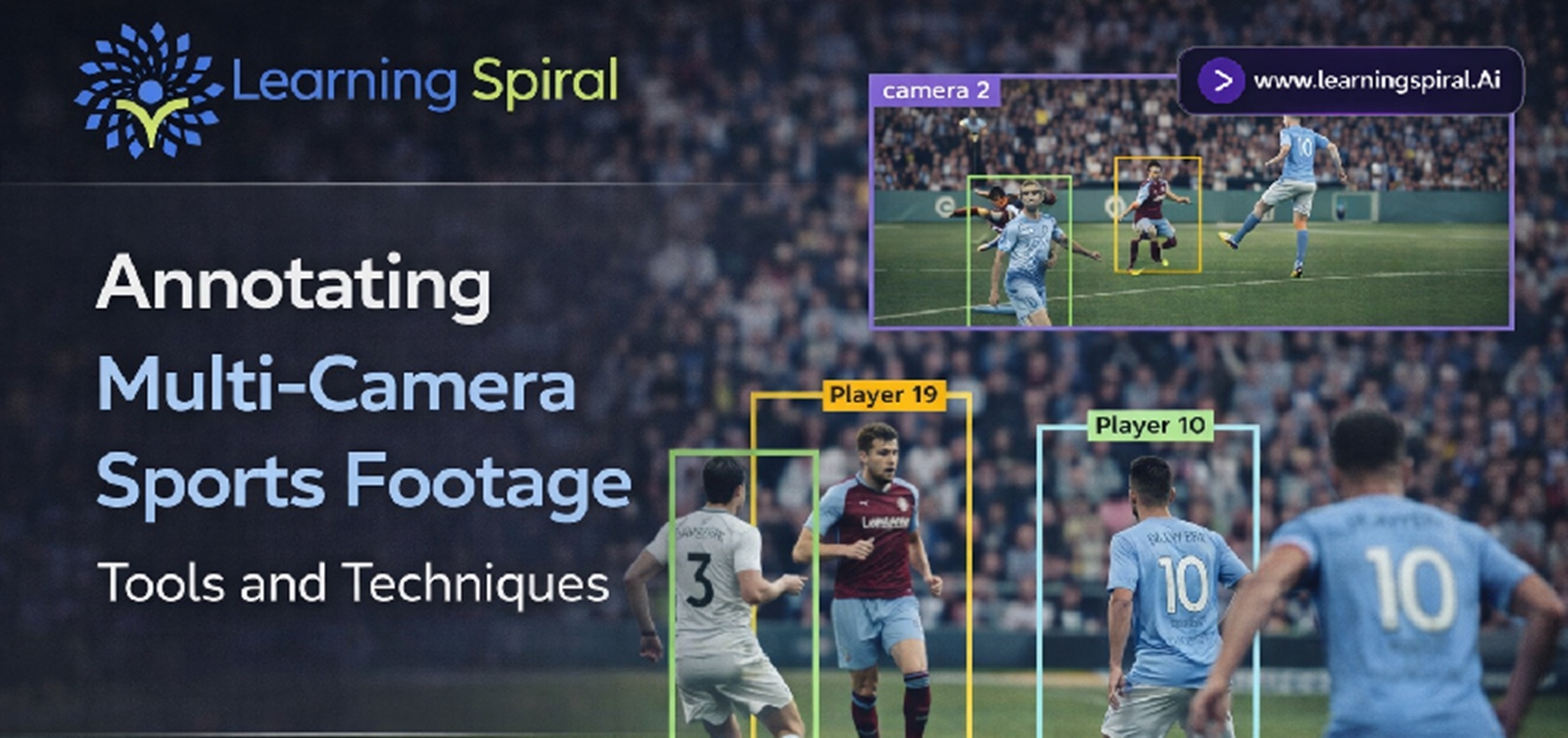
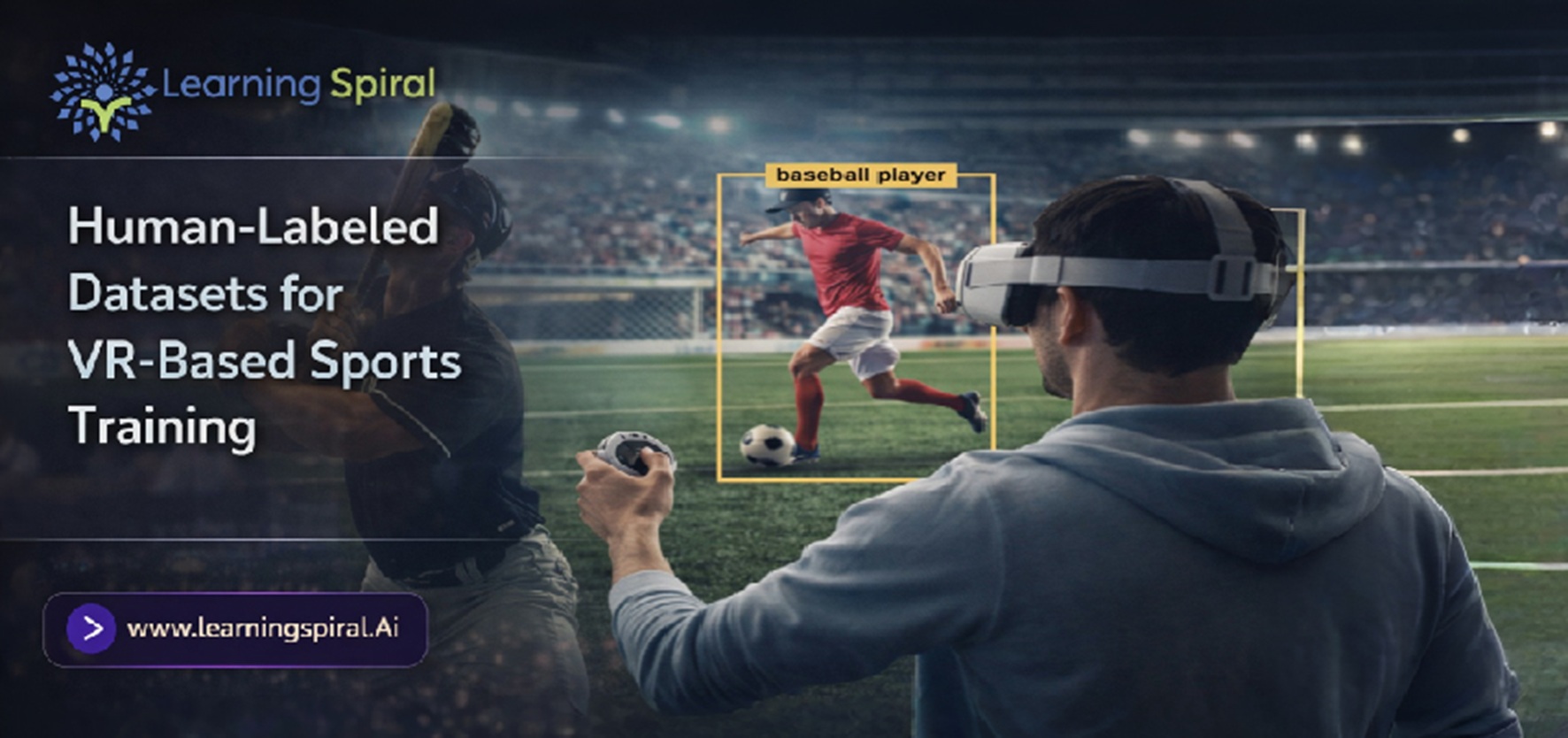
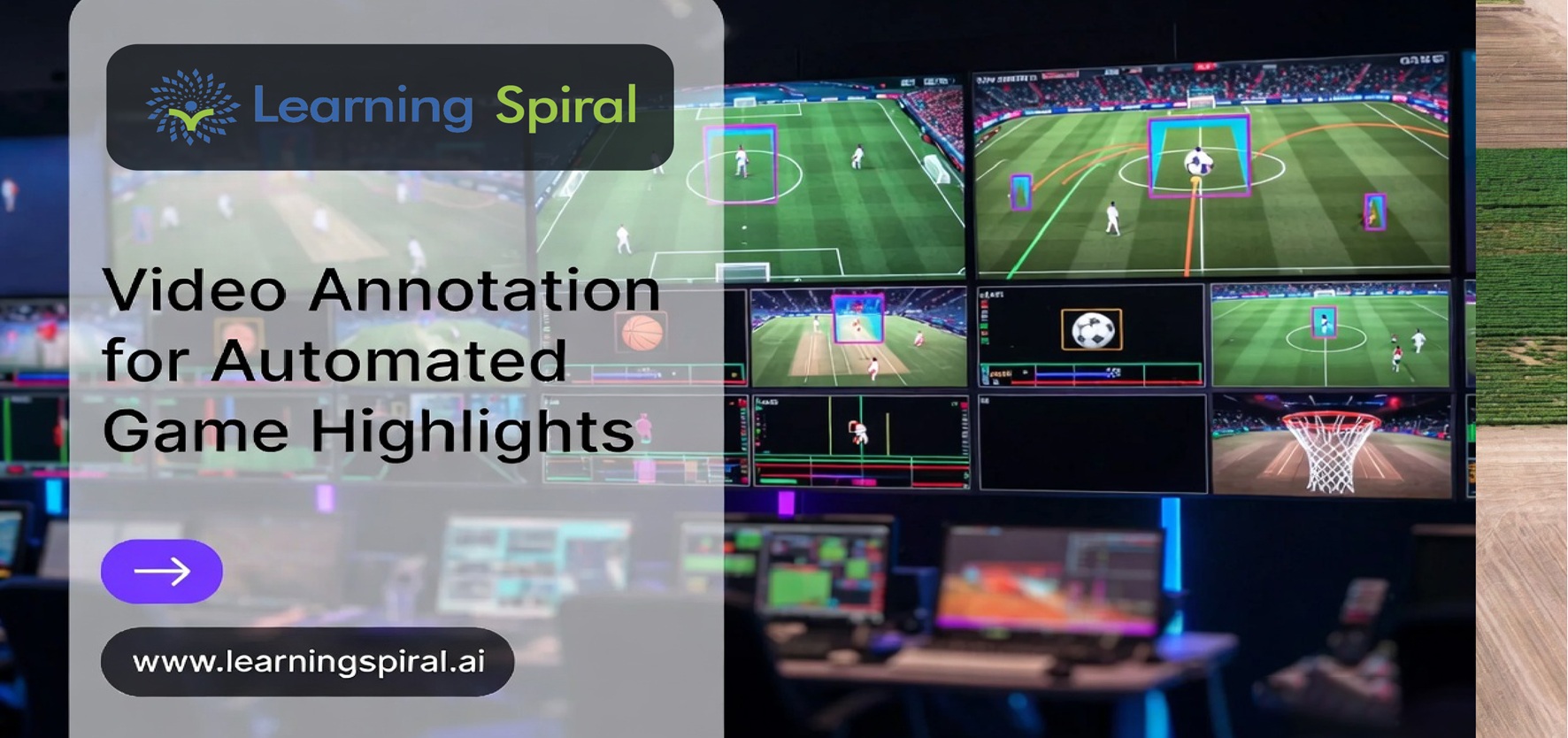
A single football match generates over 5,000 frames of action every minute - and somewhere in there is the goal, the foul, the match-winning save. Automated highlight generation promises to find it instantly. But it only works if the underlying video annotation is right.
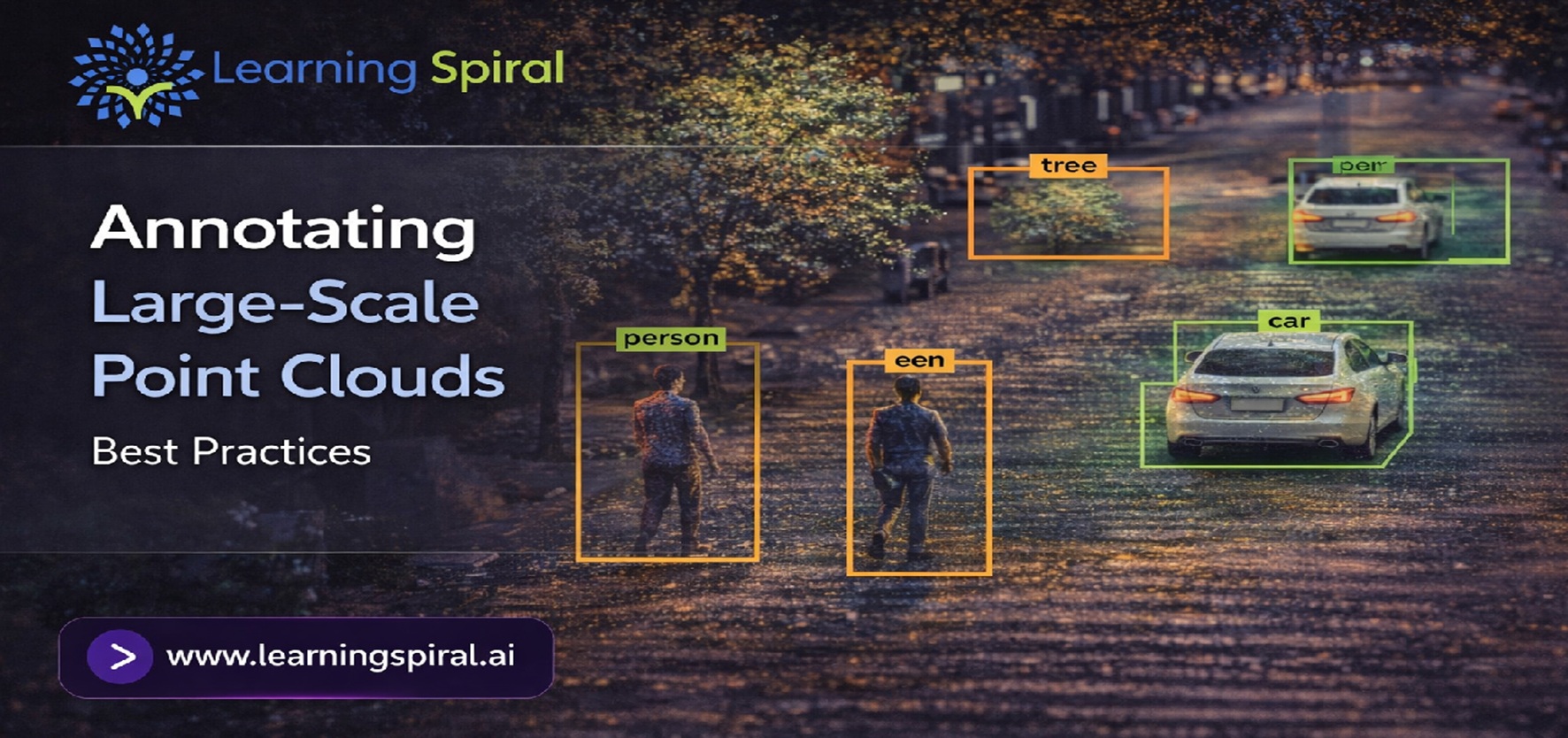
The success of autonomous vehicles and other AI-driven technologies is largely built on precise and detailed 3D point cloud data. These datasets are essential for providing spatial insights, enabling AI models to understand and navigate the complexities of real-world environments. Learning Spiral AI stands at the forefront of 3D...
Automation and active learning are two powerful techniques that are increasingly being used together to improve the efficiency and accuracy of machine learning models. Automation refers to the use of technology to perform tasks without human intervention, while active learning is a machine learning technique that involves selecting the...
Computer vision, a field of artificial intelligence that enables computers to interpret and understand the visual world, relies heavily on high-quality data. This data is meticulously labeled or annotated to train machine learning models. The object behind doing so is guiding them to recognize patterns, objects, and scenes within...
The world of computer vision is rapidly evolving, fueled by ever-growing datasets and sophisticated algorithms. But behind these advancements lies a crucial process: data annotation. Labeling data in an image, text, video, or audio to help AI and machine learning models analyze the right content and generate appropriate solutions...
Computer vision is a rapidly evolving field with the potential to transform many industries. This field is not as new as many might believe, as the development till now have been done with minimal speed from around last few years. Computer Vision companies have been utilizing this technology or...
While watching sports games on TV or live from the ground, remember those shots shown playing on the big screen, the rewind yet slowed footage of a player performing the finishing move. That is the magic of computer vision for you. Computer vision is an inner sector of Artificial...