

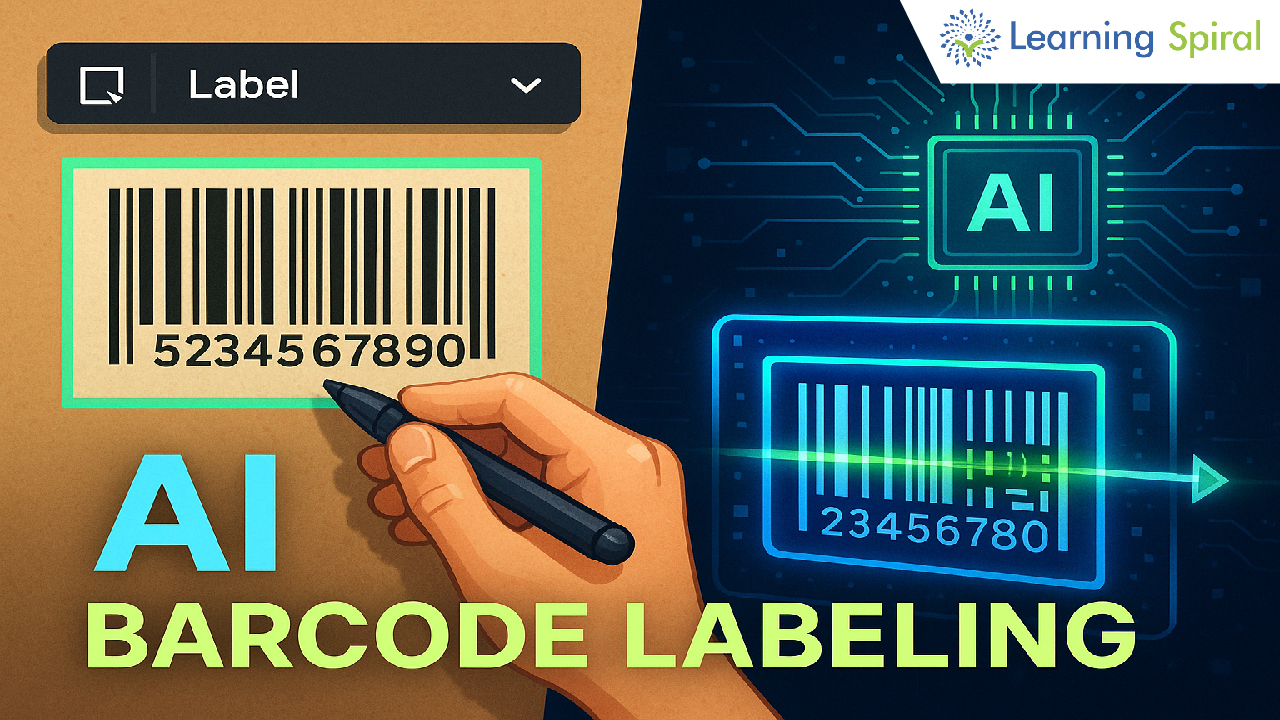
In the dynamic world of logistics and supply chain management, efficiency is everything. One critical component that supports this efficiency is the use of barcode technology. As industries shift towards automation, training AI systems to read and process barcodes accurately is becoming increasingly vital. This is where high-quality data annotation plays a transformative role.
Annotating barcode scans involves identifying and labeling barcode regions in images or videos so that AI-powered solutions can learn to detect and decode them across varied lighting conditions, angles, and packaging materials. Accurate image labeling ensures that computer vision models can distinguish between different barcode types (such as QR codes, 1D, and 2D formats), enabling real-time decision-making in warehouses and transit operations.
To train these models effectively, large volumes of annotated barcode data are required. This forms part of the foundational AI training datasets that power modern machine learning applications in logistics. Unlike traditional data entry, AI systems trained through precise data labeling can handle complex workflows—from inventory tracking to shipment validation—with higher speed and fewer errors.
Although NLP annotation and Lidar annotation have gained traction in other domains, barcode annotation stands out in logistics for its unique visual complexity and precision requirements. Sometimes, video annotation is also applied when tracking moving packages in conveyor belt footage.
At Learning Spiral AI, we specialize in providing end-to-end annotation services tailored for logistics tech. Our team ensures accuracy, scalability, and compliance with industry standards—whether it’s annotating barcodes, labeling images, or curating custom datasets for logistic-specific machine learning models. By partnering with a trusted data annotation company like Learning Spiral AI, businesses can accelerate their AI adoption, reduce operational errors, and achieve next-level automation in logistics.
Let AI handle the complexity—while you focus on delivery.